
What is a hero? Ah, the eternal question, a question that every culture and generation must posit for themselves. The interesting thing about the hero is that, regardless where we come from, most of us dream of being one. Yet, lately—and maybe it’s because I am getting older—the hero just isn’t what it used to be.
Hubby and I recently got into a small tête à tête regarding the dismal state of modern stories (movies in particular). In an age of CGI and AI and all these technological advances—that have the capacity to bring virtually anything we can imagine to life—why do so many stories, frankly, SUCK?
We’ve become extraordinarily good at creating the impossible, and yet increasingly bad at making any of it matter. DC movies are barely even watchable. I gave up on the Avengers on, I think, the seventeenth movie I was supposed to care about.
Initially, I thought my hero dilemma was simply how quickly studios can now turn out movies. And, arguably that could be a contributing factor.
How can I get excited for a new Spider-Man movie when I haven’t even gotten to the last one? And wait, there was another Spider-Man movie in between? I misplaced a hero? How the hell did I lose a Spider-Man?
Anyone have a glass? Maybe I can catch him!
To be fair, the sheer volume and pace of hero production could be contributing to hero fatigue (yes, it’s a legit condition I totally just made up).
The problem, however, is this hero fatigue is no longer something isolated to the movies. Everywhere I turn, whether it’s television or even many current novels, I find myself consistently underwhelmed. So today, we’ll tease apart what might be causing the current storytelling malaise then unpack some ways to do better in our own works.
Modern Hero? Mene, Mene, Tekel, Parsin

Have we become so afraid of depicting weakness that we’ve accidentally eliminated the very thing that makes heroism possible? Far too many modern protagonists increasingly arrive fully assembled: brilliant, beautiful, capable, morally superior questionable, and conveniently skilled at literally everything.
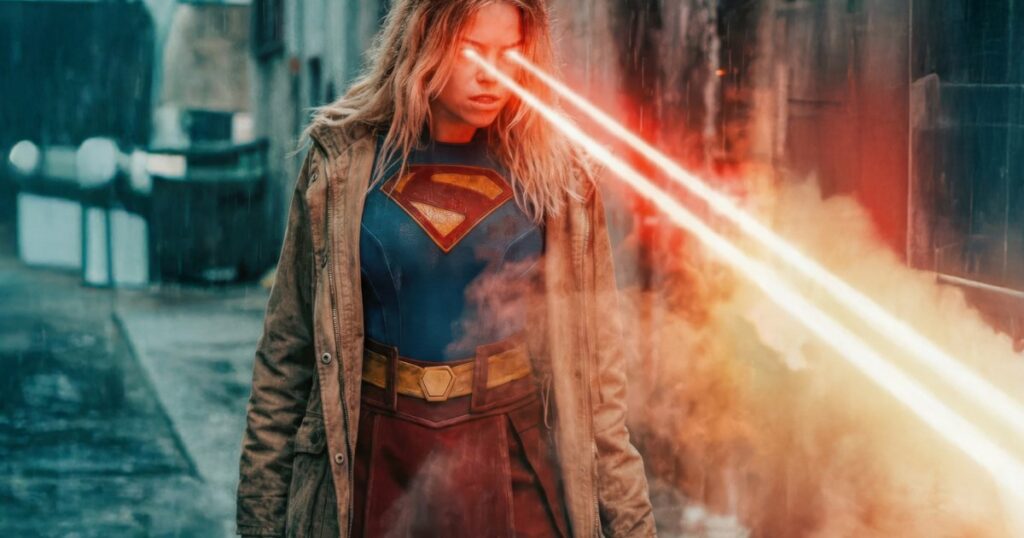
Their flaws are often cosmetic—*coughs* Super Girl—too independent, too sarcastic, too dedicated, too unwilling to tolerate stupidity. Obstacles exist primarily to demonstrate their superiority, and the supporting cast—instead of serving traditional story roles—are demoted to an audience whose job is to recognize the protagonist’s greatness.
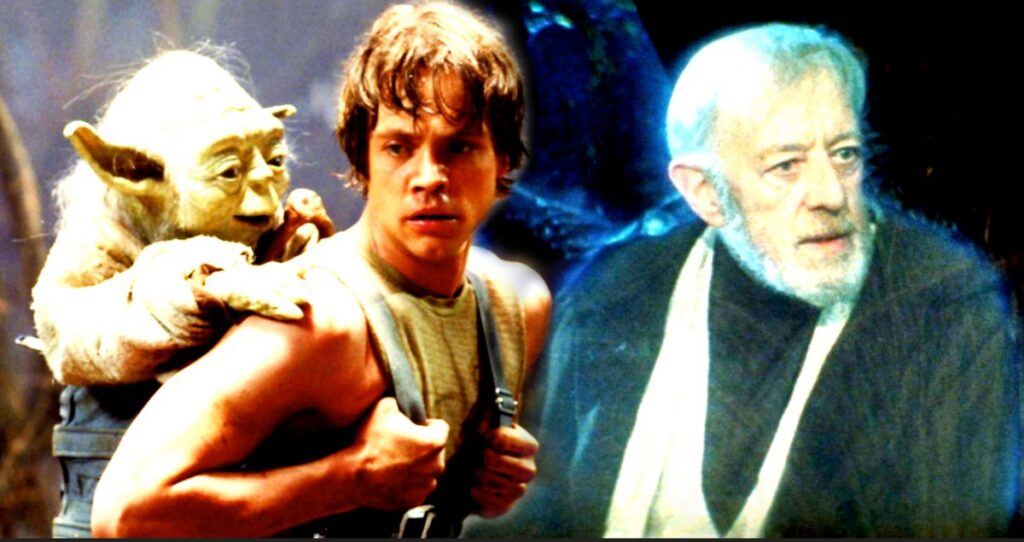
Eg. Obi Wan for Luke versus Obi Wan for *groans* Anakin.
Hear me out before blasting the comments with hate.
Luke Skywalker was “gifted” and arguably a “Chosen One”, but the story forced him to earn the right to be considered a hero. He had to be, I dunno—CRAZY TALK!—heroic.
Contrast that with Anakin, who was also a natural prodigy (ooh he has so many midichlorians!) and he ended up a Little Kid Killer on “Season 13 of Child Prodigies: Where Are They Now?”
Hey, maybe Obi Wan had to learn the hard way why it’s a bad idea to give talented and gifted kids too much promotion (and weaponry) with too little emotional maturity.
“Next week on Child Prodigies: Where Are They Now? Anakin Skywalker. From Podracing to Padawan to Mass Murder.”
Okay, I’ll stop.
For now.
Where was I?
Oh yes. Natural talent determines what a character CAN do, whereas character points to what they SHOULD do. The tension between will they or won’t they is what, ultimately makes a hero.
Or, should I say it’s what traditionally made a hero?
Hero “Hero Worship”?
Have we become so enamored with super-fantabulous abilities, that we’ve forgotten what goes into creating heroes people care about? First of all, the hero shouldn’t begin a hero, because that rather defeats the point.
The old fairy tale makes the hero a normal human boy; it is his adventures that are startling; they startle him because he is normal.
G.K. Chesterton
Are we so addicted to power fantasy we’ve tried to substitute mistaken it for the hero’s journey?
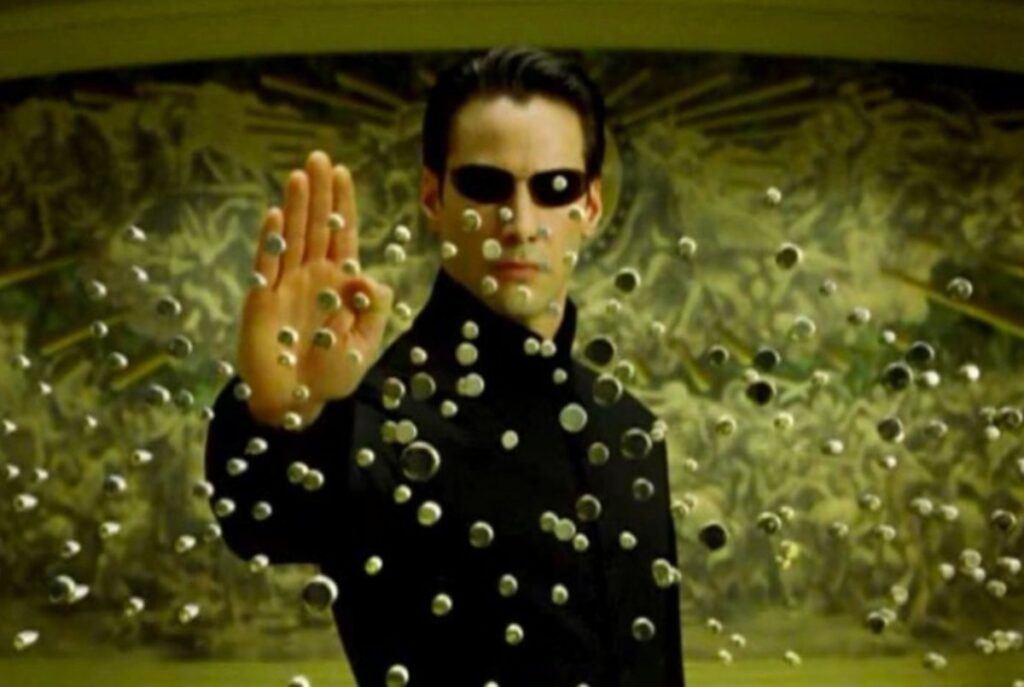
Yes, power fantasy is a thing and it IS awesome (hellooo, THE MATRIX)? Power fantasy asks, “Wouldn’t it be wonderful if I were already extraordinary?”
The heroic journey, by contrast, asks, “What would it take for someone like me to become extraordinary?”
The hero’s journey allows us to recognize ourselves in the protagonist. We don’t have to be the smartest, strongest, most beautiful, or most talented person in the room. We might be mediocre, a coward, a weakling, and the person most likely to be taken out first in Dodgeball…and STILL end up being the hero.
When circumstances demand more of us than we believe we can give, maybe we discover something we never knew we possessed.
***Personally, I think this is why studios keep reverting to origin stories. Origin stories are far more relatable than once said superhero finally is fully powered.
For Example…
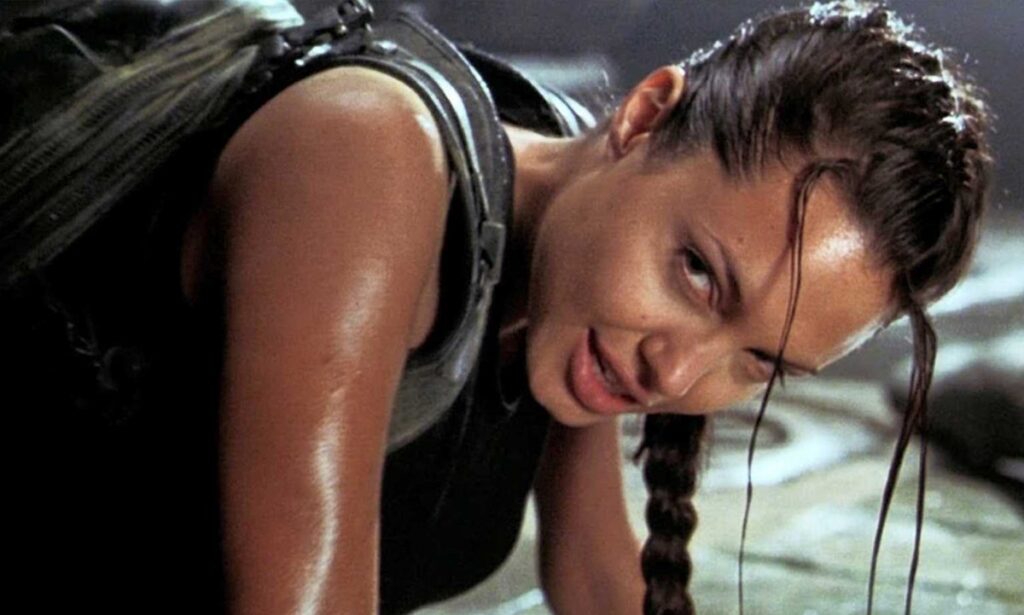
It’s far easier for me to imagine myself as Sarah Connor than as Lara Croft.
In the original Terminator, Sarah Connor started out a mere polyester-clad waitress schlepping coffee and pancakes for tips. Extraordinary events thrust her into a role she never could or would have imagined for herself.
***I want to see the outtakes of Sarah Connor’s high school guidance counselor after T2.
Contrast that with Lara Croft, though. Is it a cool fantasy to imagine myself as tall, skinny, beautiful, rich living in an English manor with its own armory *takes breath* totally funded while I jet-set about the world playing Indiana Jones and never ONCE messing up my HAIR?
Little bit bigger stretch.
Yet, here is something worth noting. Sarah Connor could never have become Sarah Connor on her own. Reese, the T1, her son John, as well as a long line of questionable boyfriends all contributed to creating the Sarah of T2. They’re there not only to give her the skills we admire in T2, but they serve as sounding boards regarding her humanity as she spirals into her righteous cause.
Lara Croft just has staff.
Team Building Meets Character Building
Additionally, in the hero’s journey, it takes a team to make the hero.
Take the Obi Wan cheap shot jab I made earlier. When contrasting 21st storytelling (Star Wars Prequels) with 20th century storytelling (A New Hope), the difference between the two makes me wonder:
Have we become a culture that too readily worships natural talent at the expense of earned mastery?
Is this why so many of the modern stories feel one-dimensional and flat? Because if we have a pre-fab Matrix-Neo-esque hero, how boring is that?
***Just plug in Kung Fu, weapons, and tactical offensive driving then let sit in Hollywood Easily Baked Oven until the Thanksgiving Day release.
Who needs threshold guardians, mentors, the shadow, ally, shapeshifter, or whatever when the prefab hero comes with everything already included?
They work…alone.
If heroism is defined by what a character is capable of doing rather than what they’re willing to sacrifice and for whom/what, have we stopped telling stories about heroes altogether?
And, if so, they need another name.
Tim. Tim the Enchanter.
What Constitutes a Hero?
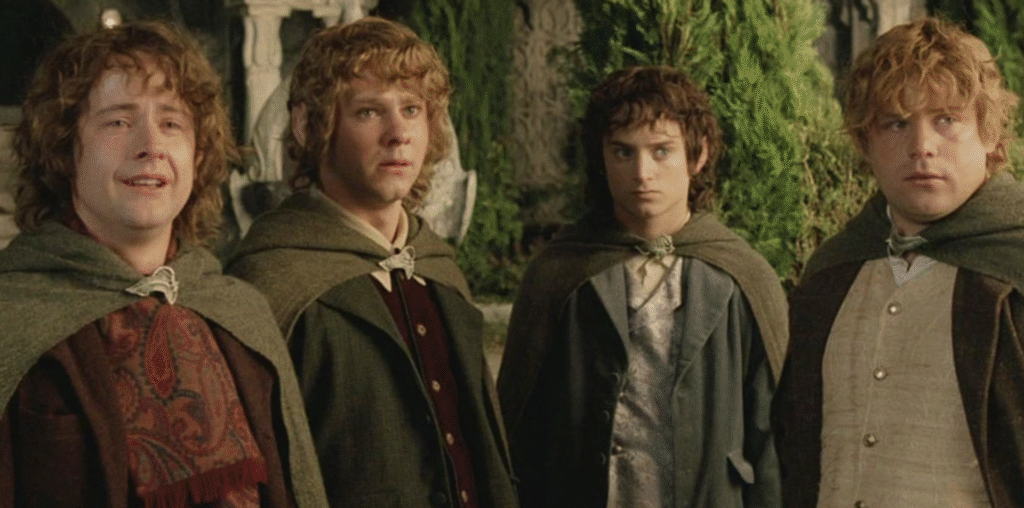
Forgive me for tipping some sacred cows here, but if it’s considered au gauche to care about country (Captain Miller in Saving Private Ryan) or fight all odds for love (Aragorn in LOTR) or give up everything to protect home (the Hobbits) or preserve family (Marty in Back to the Future) or save Earth (original Optimus Prime/Transformers) or defend friendship (Goonies) or stand for right and wrong (Ralph Lord of the Flies)…then why are we all here?
Oh, I forgot. Supergirl had a DOG *rolling eyes*
If the protagonist is the most important thing in their own universe, what could they possibly sacrifice themselves FOR? In a culture that mistakes power fantasy for heroism, the hero never needs to sacrifice anything…except a compelling story.
That’s not a character arc. That’s a LinkedIn profile with a body count.
We don’t need more heroes who arrive ready to save the world. We need more ordinary people who discover, against all odds, that they’re willing to try.
New Writers LOVE Power Fantasy
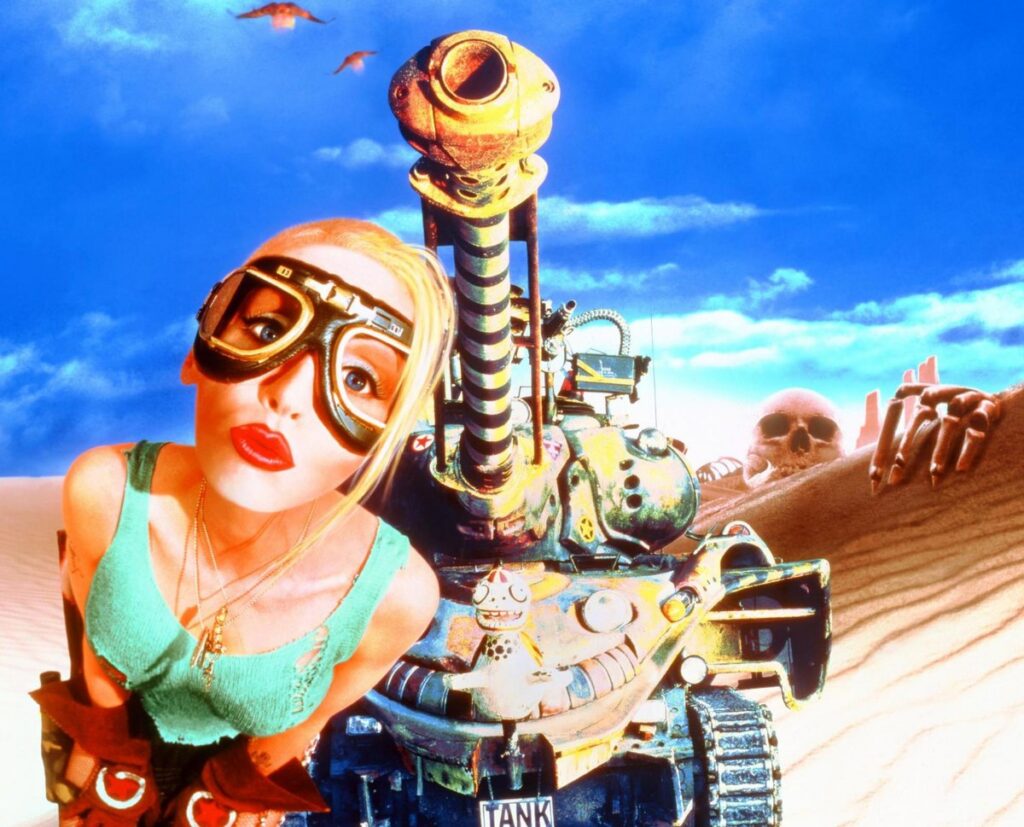
Yes, I am generalizing, but I was once new as well. The protagonist in my first novel was everything I wasn’t and yet longed to be and I gotta say, she was a hell of a lot of fun to write. Problem was, the only one who liked her was, well…um, me.
That’s the “annoying” part of storytelling when we want to do it for a living. If we are the only ones entertained then AWESOME…we just sold ONE book!
And I don’t think it would be too large of a stretch to claim most new writers get swept up in power fantasy. We’re new, learning that writing a book is a hell of a lot harder than most people could remotely imagine, and we are insecure. I didn’t like making any of my characters weak because I thought the millions of fans reading would think less of me.
WHAT? Okay, I had an absurdly inflated ego dreams!
We writers can become so emotionally identified with the protagonist that criticism of the fictional character feels like criticism of the author (us). And when that happens, we get protective of our creations. We don’t let them fail, don’t let them be foolish, weak, or compromised, and ultimately refuse to let them make truly consequential mistakes.
As Hero Helicopter Parents, we shelter our precious characters so much that we rob them of the journey that will turn our forgettable-but-relatable protagonist into an unforgettable hero. The very things we refuse to allow—failure, humiliation, weakness, rejection, betrayal, loss—are often the experiences that make them worth loving.
Hero Helicopter Parents
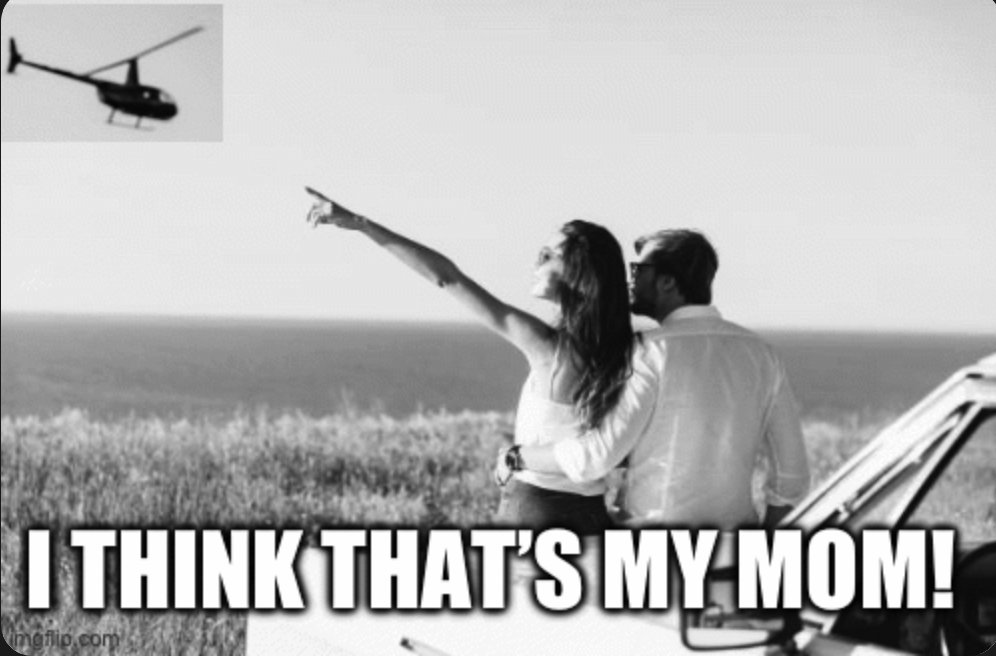
Like regular helicopter parents, we mean well. But the whole “road to hell being paved with good intentions” works in life and story.
I homeschool my son and we have an incredible time with movies. No movie is ever a waste of time because we dissect them either way (and my husband has banned us from speaking during movies). We pull apart what we loved to figure out WHY we loved it. Conversely, if something is mid (or even awful) we war game what went wrong. If it was all bad, WHY? If part of it was good, where did it lose us and why? How could the writers have done it differently?
***I dunno, maybe don’t make the protagonist a LITTLE KID KILLER! Sorry, it’s reflex.
Since I’d like this post to be more than me waving my cane at new stories yelling, “Back in MY day!” I’d love to to give you some useful tips/advice to help you write better stories. GOD KNOWS we are desperate for them.
STUDY! Next time you’re watching a movie or series, maybe reading a book, try looking for some common issues.
- Does the writer intervene before their protagonists experience genuine consequences?
- Is the writer solving their character’s problems instead of forcing them to develop the skills to solve them?
- Is the writer (possibly) protecting their self-image rather than allowing their beliefs to be challenged?
- Is the “story” preventing the protagonist from developing meaningful independence because the writer is always there to rescue them?
- Is the writer knee-capping supporting characters because they’re allowing “the story” to run far too much interference?
Getting Honest
Many of us became writers because stories inspired us. Watch proactively and make notes! Good writers borrow and great writers steal borrow harder. There is nothing new under the sun, so stop trying to reinvent the wheel.
The wheel works.
Then, when looking at your own work (and I have one finger pointed at y’all and the rest at ME), check to see if you’re doing too much of the lifting.
Many of us have hero fatigue for the simple reason that they’re not Heroes. They’re Protagonists with Participation Trophies.
The character gets the title, but the audience gets cheated out of the journey.
As for the movies and film? I know the writers get a bad rap. They probably wrote something brilliant and well, modern film is what happens when storytelling is done by committee. That said, since most of us are NOT having to wrangle directors, producers, investors, guilds and unions to tell our story? We can probably all do better.
I’m off to make some characters suffer. If you struggle channeling your inner sadist, try going HERE for some sadist author training. And since why hold a grudge when you can make it a franchise, feel free to check out What Went Wrong with the Star Wars Prequels.
What Are Your Thoughts? Do YOU Need a HERO?
Do video games made into movies often fail because we’re expecting Hero’s Journey and are instead fed a flat, tasteless power fantasy? Are we suffering from hero fatigue, or are we simply tired of protagonists who haven’t earned the right to be called heroes?
Or am I crazy and all these movies are losing hundreds of millions simply because of sun spots?
Who is your favorite fictional hero, and what did they have to lose, sacrifice, or overcome to earn that distinction?
Writers, are you guilty of being a Hero Helicopter Parent? Have you ever protected a character so much you accidentally sabotaged the story? I HAVE! I’d tell you about her, but then you couldn’t operate heavy machinery.




1 comments
Yes! I don’t believe in Superhero Fatigue any more than I believe we had Western Fatigue or Pirate Fatigue or Spy Fatigue or Vampire Fatigue. We only had Bad Storytelling Fatigue.
Superhero movies really took off when X-Men and especially Spider-Man demonstrated nobility, that in order to become heroes, exceptional choices and sacrifices had to be made. Exemplified by Peter Parker giving up his chance to be with lifelong crush MJ in order to protect her and others as Spider-Man. That continued character growth made the MCU movies work, even showing Iron Man lose his hero position because of character failures in Iron Man 2. When heroes have no character struggles to overcome, we’re left with nothing to truly admire or aspire to, which is the point of having heroes and why we love them, because they developed the skills and character needed to become something extraordinary.