Tag: writing tips

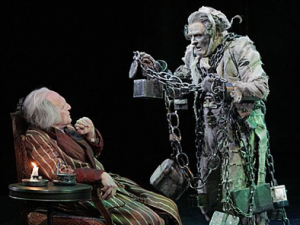
What Ebenezer Scrooge Can Teach Us About Great Writing

Charles Dickens’ story of a redeemed miser is a staple for holiday celebrations around the world and across the generations. This story is virtually synonymous with “Christmas,” but why is it such a powerful story? Why has it spoken so deeply to so many? Why is it a story that never grows old? Today, I want to talk about a couple of the elements that speak to me, because they rest at the heart of great writing.


NaNoWhatNow? Three Tactics for Getting Un-Stuck

Maybe you finished the 50,000 words. Odds are, you hit somewhere between 20,000-35-000 and were stuck like a Ford Fiesta in icy mud. This is one of the reasons I recommend at least getting the log-line and basic plot points before beginning any fast-draft. If we don’t, we might find it hard to locate our literary butt with a literary flashlight. But, I’ve been stuck and here are some tips.

The Duality of Character Traits–Why We Need the Good, the Bad and Even the Ugly

I’ve read thousands of works, and one quick way to have a “paper doll” is for a character to be all good or all evil. When we begin writing, it’s easy to fall into this trap. Our heroes or heroines are versions of ourselves (minus any imperfections, of course). Our bad guys are every ex or person in high school who picked on us. They are evil personified. But then we soon realize? Our characters are deep as a puddle, making them dull as dirt.

Do You Have "As You Know, Bob…" Syndrome?–How Writers Can Butcher Dialogue & How to Fix It

One of the best ways to move plot forward with increasing momentum and to create living, breathing characters is by harnessing the power of dialogue. As an editor for twelve years, I can tell you dialogue is one of the single largest components of writing great fiction, and it’s the part that’s most often butchered. The story can be great, the setting, the prose? And then comes this clunky dialogue with characters talking in ways only seen on bad soap operas or movies highlighted/slayed by “Rotten Tomatoes.”

While You Were Sleeping—The Difference Between Narration & Internal Dialogue

Internal dialogue is the thoughts, dreams, stream-of-consciousness stuff inside a character’s mind only the reader is privy to. Most people talk to themselves, think in at least partial sentences, talk themselves into and out of all kinds of things, they weigh consequences, wrestle with past experiences all in their head in a split second. How many smart girls make bad decisions about men?