Tag: writing tips

What is Writing "Voice"

TIMING, is a HUGE part of being a good storyteller, thus it is naturally a large component of “voice.” Writers must have a natural sense of when things should be tense, versus the times we need to let the audience have a breather. Writing a novel is very akin to writing a symphony. If everything is crescendo, then nothing is. If every page is mind-numbing tension, then nothing is. Conversely, if our writing is just a character thinking, then thinking some more, then thinking some more, then that is not a story, it’s a diary. It’s the elevator music of story.

Zzzzzzzzzzzzzzzzzzzzzzzzzzzzzzzzzzzzzzzzzzzzzzzz…

Show, Don't Tell—Using Setting to Deepen Your Characters

Social media is an amazing tool, and it is a wonderful time to be a writer, but, I am going to point out the pink elephant in the room. We still have to write a darn good book. If we don’t write a darn good book, then no amount of promotion can help us. Sorry. That’s like putting lipstick on a wildebeest.

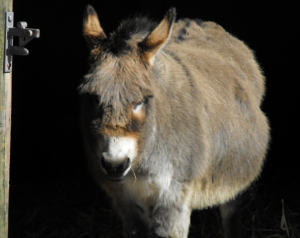
Learning to Drop the Donkey–Is Perfectionism Killing Your Career?

All of us want to do a good job. We want to put our best foot forward. We all say that we want feedback and critique, but deep down, if we are real honest, we want people to love everything we say and do. Unfortunately, this isn’t the reality. We can’t please everyone, and it is easy to fall into a people-pleasing trap that will steal our passion, our art, and our very identity.

Writing & Creating Magic: When Less is MORE

We especially tend to make these mistakes when we first start writing. We might think readers need to picture the scene exactly like we do, so we describe every smile, sigh, and nod until they become cliché. When we hear advice about using specific details, we might think that means we shouldn’t just mention that the hero ran through the trees, we should say oak trees. Or even better, a mixture of sun-dappled, old-growth oak and maple trees. If some details are good, more is better, right?

Um, no.

The Stuff of Legends—Creating a Character Apocalypse

When it comes to writing a novel, the apocalypse must be present externally (plot) as well as internally (character growth). The story problem, created by the antagonist, is what provides the crucible that leads to change. There is an unveiling on two levels. First, the solution to the story problem (unveiled over time) and secondly, the protagonist has an opportunity to grow from regular person to hero.