Tag: WANA

"Write What You Know" and What That Means

Plot and world-building are merely delivery systems for conflict and character—real “human” emotions and experiences. If we write something that’s all car chases, vampire bites and geeky technology we’ve invented, the story will be uninteresting and superficial. I see this a lot on submissions. A writer gets so fascinated with dragons or terrorists or aliens that the body of the work lacks a beating human heart.

Doubt, Fear, False Alarms & "Giving Birth" To Our Dreams

After having been around the block a few times, I can say I’ve met both types of writers. Some writers have all these ideas and generally a stack of unfinished work to show for it. They aren’t willing to dig in when it gets hard, when the “fair-weather friends” fall away. On the other side, we have those who write, but are afraid to dream. They’re terrified to dare ask if they could be great.

Why Writing Horror Is–SHOULD BE–Hard Part 2

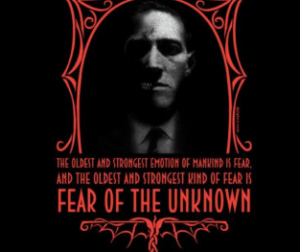
This means, the more we understand fear, the deeper our writing becomes, the more meaningful, visceral, and profound. In love stories, fear might be of being alone, of never finding “the one” or even losing “the one.” Conflict is always generated by fear. The protagonist wants something BUT THEN… The more intense the fear, the faster the reader turns the pages.

Why Writing Horror Is–SHOULD BE–Hard Part 1

Whether one likes Horror or doesn’t, as artists, we can ALL learn to be better writers by studying what great Horror authors do well. Powerful fiction mines the darkest, deepest, grittiest areas of the soul. GREAT fiction holds a mirror to man and society and offers messages that go beyond the plot.

Why is Horror Important?–Part One

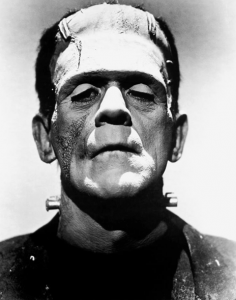
When we trace some of the horror tropes, even ones that seem silly, now (like giant bugs or a lumbering Frankenstein) reflect our nation’s anxieties. Through the thirties – during the Great Depression, when thousands of people felt alienated from society because of something they couldn’t control – horror movies focused on monsters cut off from society not because they CHOSE to be that way, but because they were.