Tag: WANA

The Single Best Way to Sell a Lot of Books

Price is no longer as big of a determining factor as it used to be. A couple years ago, John Locke started the .99 bandwagon and many authors jumped on. At first readers were excited, until they realized the slush pile had just been dumped onto their Kindles and Nooks. This is good news and bad news. Bad news? Being cheap isn’t the game-changer it used to be. Good news? People are gravitating to higher priced books, because there is a presumption of higher quality. This means good books can make more money. Yay!

Take Your Career to the Next Level–When, Why, Who and How to Fire People

As an individual author-entrpeneur, not firing can affect our career, our health and our intimate relationships. Endure the stress of an agent who doesn’t return e-mails for months at a time and you’ll understand. We need functional web sites to do our jobs well. Not having a web site, a bad web site or an ineffective web site hinders our performance and growth.

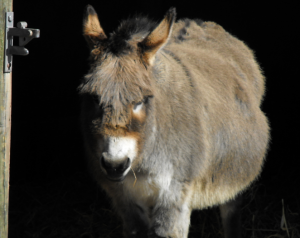
Learning to Drop the Donkey–Is Perfectionism Killing Your Career?

All of us want to do a good job. We want to put our best foot forward. We all say that we want feedback and critique, but deep down, if we are real honest, we want people to love everything we say and do. Unfortunately, this isn’t the reality. We can’t please everyone, and it is easy to fall into a people-pleasing trap that will steal our passion, our art, and our very identity.

What "Finding Nemo" Can Teach Us About Story Tension

Storytelling is in our blood, it binds us together as humans. On some intuitive level, everyone understands narrative structure, even little kids. All good stories have a clear beginning, middle and end. Ever try to skip parts of a story with a toddler? Even they can sense on a gut level that something is wrong if we miss a fundamental part of the story.

Writing & Creating Magic: When Less is MORE

We especially tend to make these mistakes when we first start writing. We might think readers need to picture the scene exactly like we do, so we describe every smile, sigh, and nod until they become cliché. When we hear advice about using specific details, we might think that means we shouldn’t just mention that the hero ran through the trees, we should say oak trees. Or even better, a mixture of sun-dappled, old-growth oak and maple trees. If some details are good, more is better, right?

Um, no.